Should I Take a Break During My Driving Lessons?
At Road Pilot Driver Training, we understand that every learner progresses differently.
Learning to drive is an exciting experience, but it can also be mentally tiring, particularly when you are starting out. From controlling the vehicle and observing your surroundings to making decisions at junctions, there is a lot to think about during a driving lesson.
If you find yourself feeling overwhelmed, struggling to concentrate or simply needing a moment to relax, you may be wondering: should I take a break during my driving lessons?
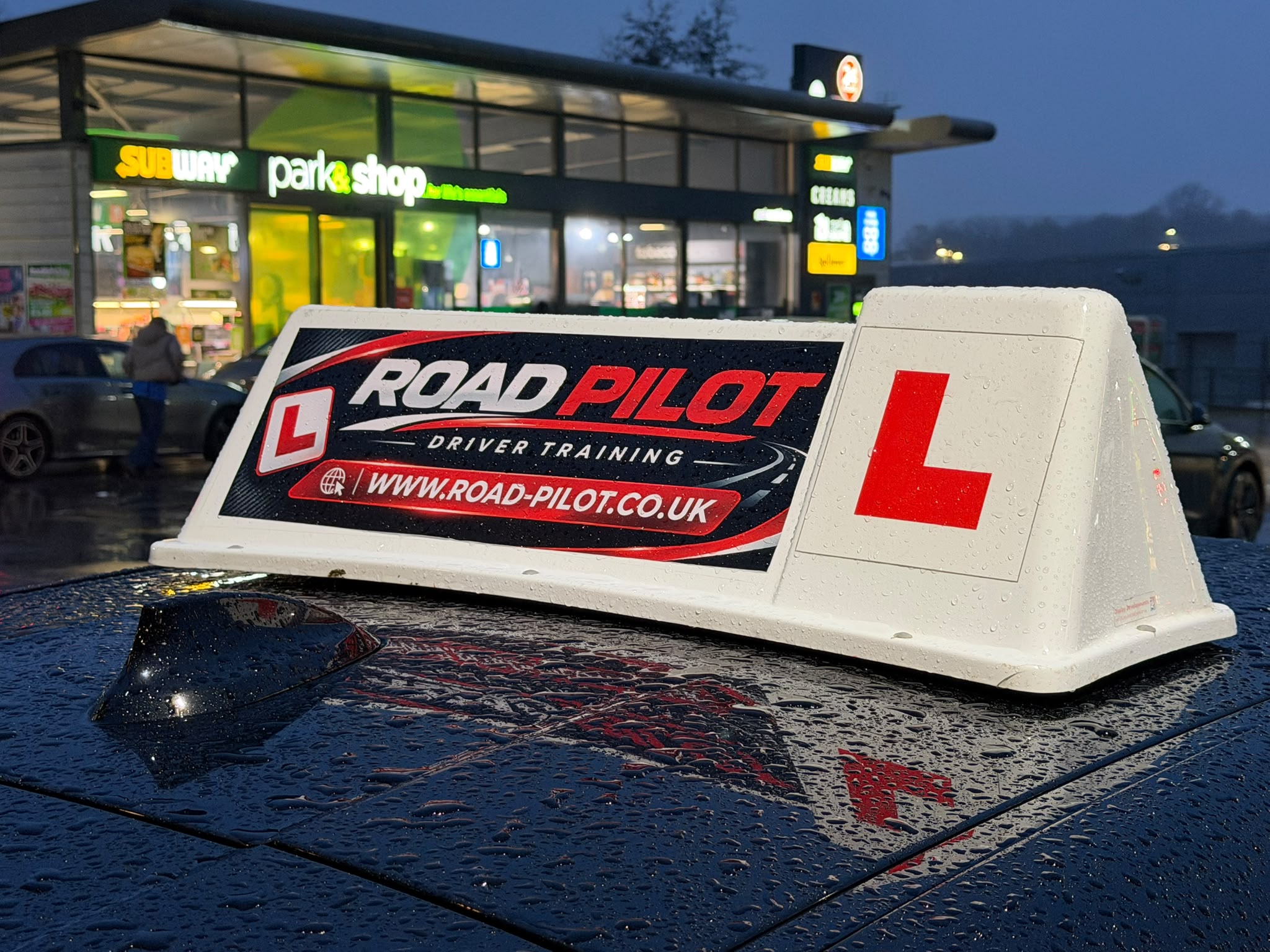
Taking a short break during your driving lesson can be a positive part of learning.
Why Can Driving Lessons Feel Tiring?
Driving requires concentration, awareness and the ability to make decisions quickly. For new drivers, many of these tasks are unfamiliar and can take considerable mental effort.
During a driving lesson, you may be learning to:
Control the steering, clutch and gears
Maintain a safe speed and position
Observe mirrors and blind spots
Respond to traffic signs and road markings
Approach junctions and roundabouts safely
Anticipate the actions of other road users
It is completely normal to feel tired after concentrating on these skills for an extended period.
As your experience grows, many of these tasks will become more familiar and require less conscious effort. Until then, taking a break when you need one can help you get more from your driving lessons.
When Should I Take a Break During a Driving Lesson?
There is no set rule for how often you should take a break. The right time depends on how you are feeling, your experience and the type of driving you are practising.
You may benefit from a short break if you notice:
You Are Losing Concentration
If you find it difficult to focus on your surroundings, remember instructions or maintain your usual level of observation, it may be time to pause.
Driving safely requires your full attention. A short rest can help you regain the concentration needed to continue.
You Are Feeling Overwhelmed
Learning several new skills at once can sometimes feel like too much. If you are struggling to process instructions or becoming frustrated, taking a few minutes away from driving can help.
There is no need to feel embarrassed about asking for a break. Your instructor is there to support your learning.
You Have Made Several Mistakes
Making mistakes is a normal part of learning to drive. However, if you find yourself repeating the same mistake because you are tired or distracted, a short break may be beneficial.
Use the time to discuss what happened with your instructor and understand how you can improve.
You Are Feeling Anxious or Nervous
Many learners experience nerves during their driving lessons, particularly when practising unfamiliar manoeuvres, busy junctions or roundabouts.
Taking a moment to relax, talk through your concerns and regain your confidence can make the next part of your lesson more productive.
Will Taking a Break Slow Down My Driving Progress?
Not at all. In fact, taking a break at the right time may help you learn more effectively.
Driving lessons are not simply about spending as much time as possible behind the wheel. They are about developing safe habits, understanding road situations and building confidence.
A short break can give you the opportunity to:
Reflect on what you have learnt
Ask your instructor questions
Understand mistakes without feeling rushed
Prepare mentally for the next driving exercise
The important thing is to make the most of your lesson time while recognising when you need a moment to recharge.
Why Choose Road Pilot Driver Training?
Take the time you need to build confidence and develop your driving skills.
Friendly guidance from instructors who understand when learners need a moment to relax.
Improve concentration, reduce driving anxiety and make steady progress towards becoming a safe driver
Should I Take a Break During a One-Hour Driving Lesson?
Even during a one-hour driving lesson, you may benefit from a brief pause if you are feeling tired or overwhelmed.
Your instructor can help you decide whether to continue practising, spend some time discussing your progress or take a short break before moving on.
If you are taking longer driving lessons, such as two-hour sessions, breaks can be particularly useful. Longer lessons provide more time to practise different road situations, but they can also require sustained concentration.
A well-timed break can help you remain focused throughout the session.
Can I Ask My Driving Instructor for a Break?
Absolutely. You should always feel comfortable telling your driving instructor if you need a break.
At Road Pilot Driver Training, we want learners to feel supported and confident throughout their driving journey. If you are feeling tired, nervous or unsure about something, let your instructor know.
Your instructor can find a suitable and safe place to stop the vehicle before discussing how you are feeling or taking a short pause.
Never feel that you have to continue driving when you are struggling to concentrate. Your safety and the safety of other road users must always come first.
Does the Type of Driving Lesson Make a Difference?
Different learners find different aspects of driving challenging. The type of vehicle you learn in may also influence how comfortable you feel during your lessons.
Manual Driving Lessons
Manual driving lessons involve learning to coordinate the clutch, accelerator and gears while maintaining observation and control of the vehicle.
For some learners, this can feel demanding at first. As your clutch control and gear changes improve, these tasks will gradually become more familiar.
If you are learning in a manual car and feel that you need a moment to reset, speak to your instructor.
You can find out more about our manual driving lessons and how we help learners develop the skills needed to drive confidently.
Automatic Driving Lessons
Automatic cars do not require you to operate a clutch or change gears manually, which can make some aspects of learning to drive feel simpler.
However, automatic driving lessons still require concentration, observation and good decision-making.
If you are considering learning in an automatic vehicle, our automatic driving lessons provide an opportunity to develop your driving skills without the additional task of managing manual gears.
Automatic Driving Lessons in Wigan
If you are looking for automatic driving lessons in Wigan, Road Pilot Driver Training can help you work towards becoming a safe and confident driver.
Learning in an automatic car may be a suitable option if you would prefer to focus on road awareness, vehicle positioning and developing your confidence without learning clutch control.
Our instructors understand that learners progress at different rates. Whether you are a complete beginner or returning to driving after a break, your lessons can focus on the skills you need to improve.
Explore our automatic driving lessons in Wigan to find out more about learning to drive locally.
Automatic Driving Lessons in Chorley
For learners in Chorley, choosing the right driving lessons can make a real difference to your confidence behind the wheel.
Automatic driving lessons allow you to concentrate on traffic conditions, road positioning and making safe decisions without having to change gears manually.
If you are nervous about learning to drive or simply prefer an automatic vehicle, our automatic driving lessons in Chorley are an excellent place to start your driving journey.
How to Get the Most Out of Your Driving Lessons
Taking a break when needed is just one way to make your driving lessons more productive.
Here are a few other ways to get the most from your time with your instructor:
Get enough rest: Try to arrive at your lesson feeling refreshed and ready to concentrate.
Ask questions: If you do not understand an instruction, ask your instructor to explain it.
Focus on progress: Remember that learning to drive takes time and everyone develops at a different pace.
Stay hydrated: Having a drink before your lesson can help you feel comfortable and refreshed.
Be honest with your instructor: Let them know if you are struggling with a particular skill or feeling nervous.
The more comfortable you feel during your lessons, the easier it can become to develop confidence and independence on the road.
Learn to Drive at Your Own Pace with Road Pilot Driver Training
Learning to drive should be a positive experience. While it is natural to feel tired or overwhelmed at times, you do not need to push yourself beyond your limits to make progress.
Taking a short break during your driving lesson can help you regain concentration, understand what you have learnt and continue practising safely.
At Road Pilot Driver Training, we aim to make learning to drive a supportive and enjoyable experience. Whether you choose manual or automatic driving lessons, our instructors can help you develop the skills and confidence needed to become a safe driver.
If you are ready to start learning, explore our driving lessons and take the first step towards gaining your independence on the road.
Get in Touch with Road Pilot
FAQ
Your Questions, Answered
Yes. If you feel too tired to drive safely, let your instructor know. They can assess the situation and decide whether it is appropriate to continue. Your safety and concentration are more important than completing every minute of a lesson.
Yes. Learning to drive can be mentally demanding, especially when you are a beginner. You are processing new information, making decisions and developing coordination. Feeling tired after a lesson is common and usually becomes less noticeable as your driving experience increases.
If you feel stressed, try to explain to your instructor what is worrying you. They may be able to simplify the exercise, practise in a quieter area or help you approach the situation in smaller steps. Taking a moment to relax can also help you regain confidence.
It is a good idea to avoid starting a driving lesson when you are hungry or feeling unwell. Having a light meal or snack beforehand may help you feel more comfortable and maintain your concentration throughout the lesson.
Driving lessons can feel particularly tiring for beginners because almost every task requires conscious attention. As you become more familiar with vehicle controls, road signs and traffic situations, many skills become more automatic and driving may feel less mentally demanding.
Yes. If you are taking more than one driving lesson in a day, allowing time between sessions can help you rest and process what you have learnt. This can be especially useful when practising challenging skills or preparing for your driving test.
If you feel that your progress has slowed, it may be worth discussing your concerns with your instructor before taking a longer break. Sometimes changing the lesson structure, revisiting previous skills or trying a different approach can help you move forward.
The best lesson length depends on your experience, concentration and personal circumstances. Shorter lessons may suit some beginners, while longer sessions can provide more time to practise and develop skills. Your instructor can help you decide what works best for your learning needs.
Yes. You can take time away from driving lessons and return when you feel ready. You may need a few refresher lessons to rebuild your confidence and become familiar with the vehicle and road situations again.
No. A professional driving instructor understands that learners have different needs and may occasionally feel tired or overwhelmed. Communicating openly helps your instructor provide the right support and make your lessons more effective.
Explore Your Options