
Winter Driving Tips
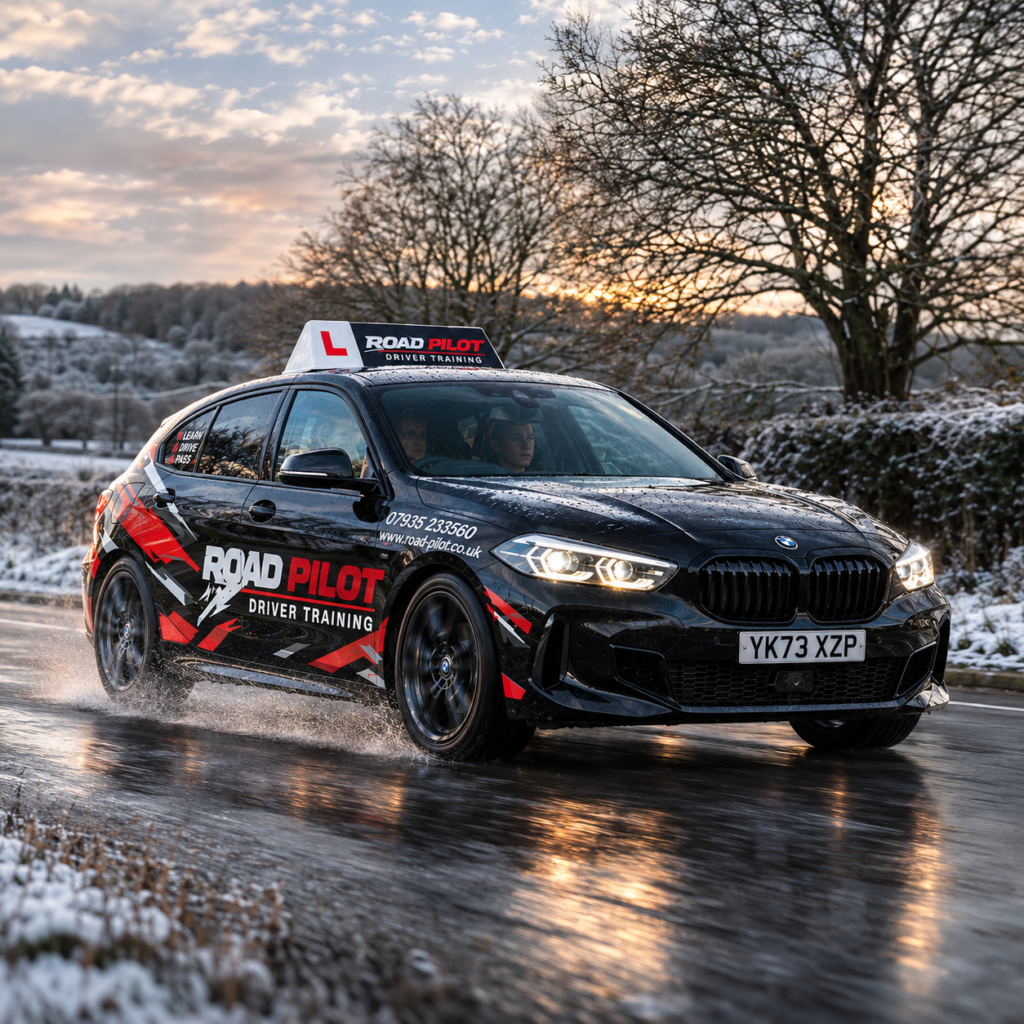
Winter roads can bring unexpected challenges, from icy surfaces and heavy rain to snow, fog and reduced visibility. Whether you’re commuting to work or heading out on a long journey, being prepared can make all the difference.
At Road Pilot, we want to help you stay safe and confident behind the wheel. Discover our essential winter driving tips and learn how to prepare your vehicle, adapt your driving and handle challenging road conditions.
Drive Safely This Winter with Road Pilot
Winter driving doesn’t have to be stressful. With the right preparation, sensible driving habits and a little extra care, you can make every journey safer.
At Road Pilot, we’re here to help you become a more confident, responsible and prepared driver throughout the year.
Don’t let winter weather catch you off guard. Prepare your vehicle, plan ahead and put safety first.
Prepare Your Vehicle for Winter
Before temperatures drop, make sure your vehicle is ready for the colder months. A few simple checks can help prevent unexpected breakdowns and keep you safe on the road.
Check your tyres: Ensure your tyres have sufficient tread depth and the correct pressure for better grip.
Test your battery: Cold weather can put extra strain on your car battery, so check its condition.
Top up your fluids: Make sure your engine oil, screenwash and coolant are suitable for winter conditions.
Check your lights: Ensure all headlights, brake lights and indicators are working correctly.
Inspect your wipers: Replace worn wiper blades to maintain clear visibility in rain and snow.
Drive Slowly and Maintain a Safe Distance
Wet, icy and snowy roads can significantly increase stopping distances. Reducing your speed gives you more time to react to unexpected hazards.
Accelerate and brake gently.
Avoid sudden steering movements.
Leave a much larger gap between your vehicle and the one in front.
Take extra care when approaching junctions, bends and roundabouts.
Remember: driving at a speed appropriate for the road conditions is more important than sticking to the speed limit.
Improve Your Visibility
Winter often means darker mornings, longer nights, fog and heavy rainfall. Good visibility is essential for safe driving.
Clear all snow and ice from your windows, mirrors and lights before setting off.
Use dipped headlights when visibility is reduced.
Keep your windscreen clean, inside and out.
Never drive until your windows are fully demisted.
Use fog lights only when visibility is seriously reduced, and switch them off when conditions improve.
Be Prepared for Ice and Snow
Black ice can be particularly dangerous because it is difficult to spot. It often forms on bridges, shaded roads and untreated surfaces.
If you encounter icy or snowy conditions:
Reduce your speed and avoid harsh braking.
Keep steering movements smooth and controlled.
Avoid overtaking unless absolutely necessary.
If your vehicle starts to skid, avoid sudden braking and steer gently in the direction you want to travel.
Consider delaying your journey if conditions become dangerous.
Keep an Emergency Winter Kit in Your Car
Even a short journey can become difficult during severe winter weather. Keeping a few essentials in your vehicle can help if you experience a breakdown or become stranded.
Recommended winter essentials:
Ice scraper and de-icer
Warm clothing and a blanket
Torch and spare batteries
Phone charger or power bank
First-aid kit
Bottled water and snacks
Hi-vis jacket
Warning triangle (where safe and appropriate to use)
Basic breakdown and emergency contact details
Being prepared can make an unexpected situation much easier to manage.
Plan Your Journey Before Setting Off
Winter weather can change quickly, so planning ahead is essential.
Check the weather forecast before travelling.
Look for road closures, traffic updates and travel disruptions.
Allow extra time for your journey.
Choose main roads where possible, as they are more likely to be treated.
Let someone know your route if you’re travelling a long distance.
If conditions are particularly severe, consider whether your journey is necessary.
Your Winter Driving Checklist
- Windows, mirrors and lights are clear of snow and ice.
- Windscreen washer fluid is topped up with winter-grade screenwash.
- Headlights, brake lights and indicators are working.
- Fuel or battery range is sufficient for your journey.
- Your emergency winter kit is ready.
- Weather and traffic conditions have been checked.
FAQ
Your Questions, Answered
Is it safe to drive in winter conditions as a newly qualified driver?
Driving in winter can be particularly challenging for newly qualified drivers because experience in handling difficult road conditions takes time to develop. Snow, ice, heavy rain and reduced daylight can all affect how your vehicle responds and how quickly you need to react to hazards.
If you’re a new driver, take extra care when planning winter journeys. Avoid unfamiliar routes in severe weather, give yourself plenty of time and try to avoid driving during particularly challenging conditions until you feel confident. Remember that you don’t have to make every journey if the weather makes driving unsafe.
At Road Pilot, we encourage drivers to develop good observation, anticipation and hazard awareness skills so they can make safer decisions throughout the year.
What should I do if my car starts aquaplaning on a wet winter road?
Aquaplaning happens when your tyres lose contact with the road surface because they cannot disperse the water quickly enough. This can cause you to temporarily lose steering control, making it difficult to maintain your intended direction.
If you experience aquaplaning, stay calm and avoid making sudden movements. Ease off the accelerator gradually, keep the steering as straight and steady as possible, and avoid harsh braking. Allow your vehicle to slow down naturally until your tyres regain contact with the road.
To reduce the risk of aquaplaning, avoid driving through deep standing water, reduce your speed in heavy rain and make sure your tyres are in good condition. Never underestimate how quickly a wet road can become dangerous, particularly during prolonged winter rainfall.
Why are bridges and rural roads particularly dangerous during freezing temperatures?
Not all roads freeze at the same rate. Bridges, flyovers and exposed road surfaces can become icy before ordinary roads because cold air circulates above and below them, allowing heat to escape more quickly.
Rural roads can also present additional risks because they may be less frequently treated with salt or grit. Shaded areas, steep hills, sharp bends and quiet country lanes can retain ice for longer, even when other roads appear clear.
When travelling in freezing temperatures, approach bridges, elevated roads and rural routes with extra caution. Reduce your speed before reaching potentially icy sections and avoid sudden acceleration, braking or steering. Remember that a road that looks wet may actually have a thin layer of ice.
When should I avoid driving altogether during winter weather?
There are times when the safest driving decision is not to drive. Severe snow, freezing rain, widespread ice, dense fog and weather warnings can make even familiar journeys extremely dangerous.
Before setting off, consider whether your journey is essential and check official weather warnings and local travel advice. If authorities advise against unnecessary travel, follow that guidance. Even if your vehicle is well maintained and you have considerable driving experience, severe weather can create hazards beyond your control.
If conditions deteriorate while you’re already travelling, avoid taking unnecessary risks. Look for a safe place to stop, away from traffic and other hazards, and reassess your journey. Your safety and the safety of other road users should always come first.